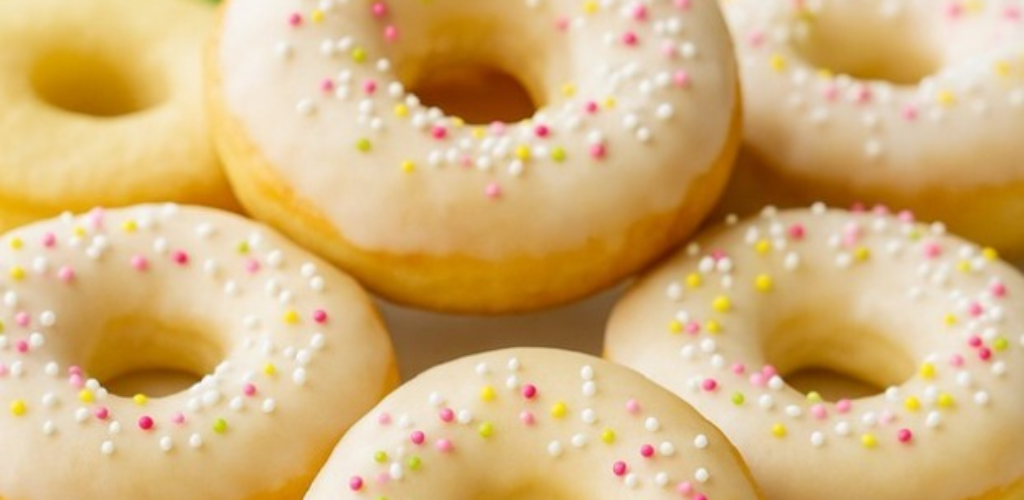
These vanilla yeast donuts are incredibly soft, fluffy, and perfect for a sweet treat! Making them with yeast gives them that classic, airy texture that fried donuts are known for.
Simple, Soft Vanilla Yeast Donuts
This recipe is for a truly classic, melt-in-your-mouth yeast donut, gently flavored with vanilla. They’re amazing coated in sugar or glazed!
Yields: 12-15 donuts Prep time: 30 minutes active + 1.5-2 hours rising time Cook time: 2-3 minutes per donut (frying)
Ingredients
For the Dough:
- 360 ml (1 ½ cups) warm milk (around 37°C / 98-100°F)
- 7 g (2 ¼ teaspoons or 1 packet) active dry yeast
- 50 g (¼ cup) granulated sugar (plus a pinch for the yeast)
- 1 large egg (room temperature)
- 1 teaspoon vanilla extract
- 60 g (¼ cup) unsalted butter, melted and cooled
- 450-500 g (3 ½ – 3 ¾ cups) all-purpose flour (plus more for dusting)
- ½ teaspoon salt
For Frying:
- Vegetable oil (or canola oil, sunflower oil, etc.) for deep frying (about 1.5-2 liters, depending on your pot)
For Coating (choose one or both):
Vanilla Glaze:
- 200 g (1 ½ cups) powdered sugar
- 2-3 tablespoons milk or water
- ½ teaspoon vanilla extract
Cinnamon Sugar:
- 100 g (½ cup) granulated sugar
- 1 teaspoon ground cinnamon
Instructions
- 1. Activate the Yeast In a large bowl, combine the warm milk with a pinch of sugar and sprinkle the active dry yeast over it. Let it sit for 5-10 minutes until it becomes foamy. This means your yeast is active!
- 2. Prepare the Dough To the foamy yeast mixture, add the remaining granulated sugar, egg, vanilla extract, and cooled melted butter. Whisk gently to combine. Gradually add the flour and salt to the wet ingredients. Mix with a spoon or a dough hook on a stand mixer until a shaggy dough forms. Turn the dough out onto a lightly floured surface and knead for 5-7 minutes until it’s smooth, elastic, and no longer sticky. If using a stand mixer, knead on medium speed for 5-7 minutes. Add very small amounts of flour if the dough is too sticky, but avoid adding too much.
- 3. First Rise Lightly grease a clean large bowl. Place the dough in the bowl, turning it once to coat. Cover the bowl with plastic wrap or a clean kitchen towel. Let the dough rise in a warm place for 1 to 1.5 hours, or until it has doubled in size.
- 4. Shape the Donuts Once the dough has doubled, gently punch it down to release the air. Turn the dough out onto a lightly floured surface. Roll the dough out to about 1 cm (½ inch) thickness. Using a donut cutter or two round cutters (one larger for the donut shape, one smaller for the hole), cut out your donuts. Carefully place the cut donuts (and the holes) on squares of parchment paper on a baking sheet. This makes transferring them to the oil easier.
- 5. Second Rise Loosely cover the shaped donuts with plastic wrap or a kitchen towel. Let them rise again in a warm place for 30-45 minutes, or until they look puffy and slightly larger. Don’t let them over-proof, or they’ll be too delicate to handle.
- 6. Fry the Donuts While the donuts are in their second rise, heat the vegetable oil in a large, deep pot or Dutch oven over medium heat. You want the oil to reach 175°C (350°F). Use a kitchen thermometer to monitor the temperature. Carefully slide 2-3 donuts (and a couple of holes) into the hot oil at a time, using the parchment paper squares to transfer them, then quickly remove the paper. Don’t overcrowd the pot. Fry for 1-2 minutes per side, or until golden brown. Using a slotted spoon or spider, carefully remove the fried donuts and place them on a wire rack lined with paper towels to drain excess oil.
- 7. Glaze or Coat
- For Vanilla Glaze: While the donuts are still warm, whisk together the powdered sugar, milk/water, and vanilla extract in a bowl until smooth. Dip each donut (or drizzle) into the glaze.
- For Cinnamon Sugar: Combine the granulated sugar and cinnamon in a shallow dish. While the donuts are still warm (but not hot and greasy), roll them in the cinnamon sugar mixture until coated.
- 8. Serve Enjoy your soft, homemade vanilla yeast donuts warm or at room temperature! They’re best eaten fresh.
Tips for Success:
- Don’t Rush the Rise: Yeast dough needs time. Don’t try to speed up the rising process too much, as it impacts the texture.
- Oil Temperature is Key: Too cold, and the donuts will be greasy; too hot, and they’ll burn on the outside before cooking through. Use a thermometer!
- Don’t Overcrowd: Frying too many donuts at once will lower the oil temperature and result in greasy, unevenly cooked donuts.
- Freshness: Homemade donuts are best eaten the same day they’re made.
Let me know if you give these a try!