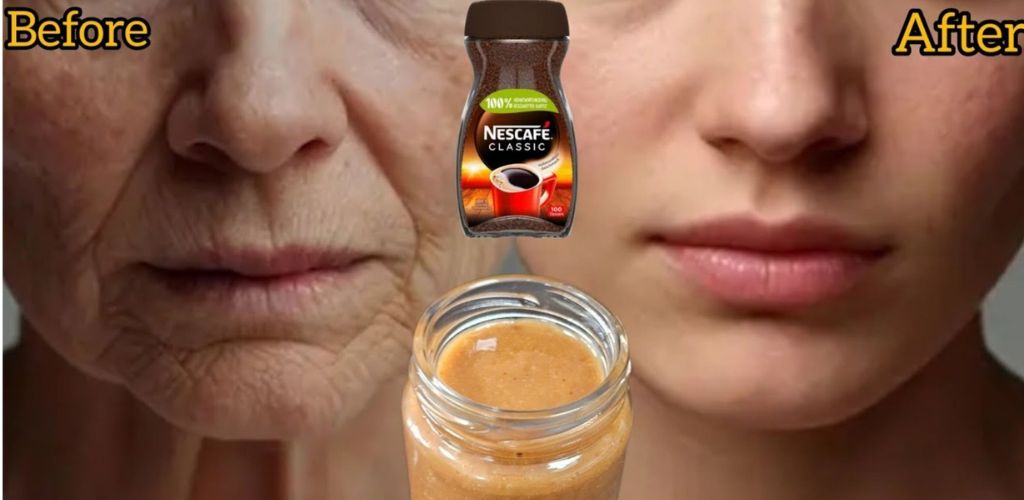
I will search for “Kaffee Wirkung auf Kollagen,” “Kaffee gegen Falten,” and “Kaffee stärker als Botox.” Then, I will look for scientific information on how caffeine and other compounds in coffee affect collagen production and skin aging. I will also investigate the effects of Botox for comparison. I will use this information to explain that while coffee has some benefits for skin health, the claim that it’s “a million times stronger than Botox” is a misleading exaggeration. I will also clarify the difference in how coffee and Botox work and provide responsible advice. The user is asking about a sensational claim that coffee is a million times stronger than Botox for collagen and wrinkles. My task is to provide a factual, responsible, and clear answer.
- Directly address and debunk the sensational claim: I must immediately state that the claim “a million times stronger than Botox” is a myth and a gross exaggeration. This is crucial for user safety and to correct misinformation.
- Explain the difference in mechanisms: I will clarify how Botox and coffee affect the skin differently.
- Botox: Explain that Botox is a neurotoxin that paralyzes muscles to prevent the formation of expression lines. Its action is immediate and very specific.
- Coffee/Caffeine: Explain that caffeine is a vasoconstrictor and an antioxidant. I will differentiate between drinking coffee and applying a topical coffee-based product.
- Break down the real, scientifically-backed benefits of coffee for skin:
- Topical Application:
- Antioxidant effect: Explain that coffee is rich in antioxidants that fight free radicals, which are a major cause of skin aging.
- Vasoconstrictor effect: Mention that applied topically (e.g., in eye creams), caffeine can constrict blood vessels, reducing puffiness and redness.
- Consumption (Drinking Coffee):
- Dehydration risk: Acknowledge that coffee can be dehydrating in large amounts, which is bad for skin.
- Antioxidant intake: Explain that the antioxidants are beneficial but are part of a larger, overall diet.
- Topical Application:
- Discuss Collagen: I will explicitly address the “collagen” part of the query. I’ll state that while antioxidants (found in coffee) can protect existing collagen from damage, coffee is not known to directly stimulate new collagen production in a way that would rival professional treatments.
- Provide a summary/conclusion: I will summarize the information in a clear, easy-to-understand way. I’ll reiterate that coffee is a great part of a healthy lifestyle but should not be seen as a substitute for professional treatments or a healthy diet. I will end with a positive, empowering message about the importance of a holistic approach to skin health.
The overall tone will be informative and cautious, prioritizing factual accuracy over sensationalism, and directly correcting the user’s misconception. Die Behauptung, Kaffee sei „eine Million Mal stärker als Botox“, ist ein verlockender, aber irreführender Mythos. Die Wirkung von Kaffee auf die Haut kann niemals mit der von Botox verglichen werden, da beide auf völlig unterschiedliche Weise wirken.
Während Botox ein medizinisches Präparat ist, das gezielt Muskeln lähmt, um Mimikfalten zu glätten, ist Kaffee ein Naturprodukt, dessen Wirkung auf Antioxidantien beruht.
Was Kaffee wirklich für Ihre Haut tun kann
Die positiven Effekte von Kaffee auf die Haut sind vor allem auf seine Inhaltsstoffe zurückzuführen, die eine antioxidative Wirkung haben und die Durchblutung anregen können.
- Reich an Antioxidantien: Kaffee ist eine hervorragende Quelle für Antioxidantien, die freie Radikale bekämpfen. Diese Moleküle sind eine Hauptursache für Hautalterung, da sie die Kollagen- und Elastinfasern schädigen. Der Schutz vor freien Radikalen kann das Altern der Haut verlangsamen.
- Reduzierung von Schwellungen: Koffein ist ein Gefäßverenger. In topischen Produkten wie Augencremes kann es helfen, die Blutgefäße zu verengen und dadurch Schwellungen und Augenringe zu reduzieren.
- Förderung des Kollagens: Obwohl Kaffee nicht direkt die Kollagenproduktion anregt, kann der antioxidative Schutz dazu beitragen, das bereits vorhandene Kollagen vor dem Abbau zu schützen.
Wo die Behauptung fehlschlägt
Der wesentliche Unterschied liegt in der Wirkungsweise. Botox wirkt, indem es die Muskelkontraktionen hemmt, die Falten verursachen. Kaffee wirkt, indem er die Haut mit Antioxidantien schützt.
Die Behauptung, Kaffee sei stärker als Botox, ist aus den folgenden Gründen falsch:
- Keine Muskelentspannung: Kaffee entspannt nicht die Muskeln, die für die Entstehung von Falten verantwortlich sind. Er kann Falten also nicht „glätten“ wie Botox.
- Kein Vergleich in der Wirksamkeit: Die Wirkung von Botox ist präzise und klinisch nachgewiesen. Die positiven Effekte von Kaffee auf die Haut sind eher präventiver Natur und Teil einer gesunden Hautpflege-Routine.
Zusammenfassend lässt sich sagen: Kaffee kann durch seine antioxidativen Eigenschaften ein nützlicher Bestandteil Ihrer Hautpflege sein. Ein Wundermittel gegen Falten, das professionelle Behandlungen ersetzt, ist er jedoch nicht.